
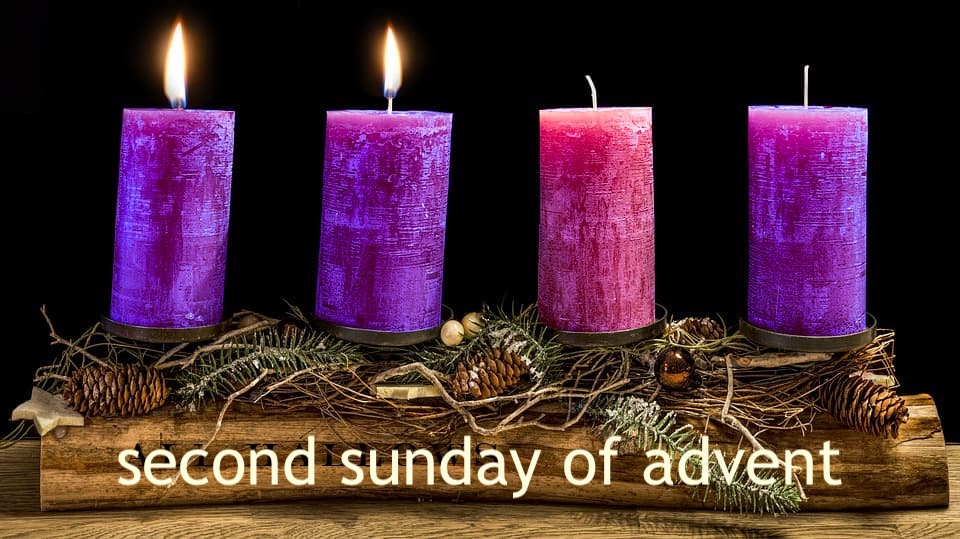
Call to Worship
The Son of God has come into the world.
He has given us life and love.
Let us hope, so that the world will know our hope;
Let us love, so that love may abound.
Unison Prayer
Though I may speak in the tongues of men and of angels, if I have not love, I am nothing. And so, dear God, fill my heart with love, and let me love with all of my heart. Let my thoughts be yours, let my words be yours, let my love be yours, let my voice be yours, that all who hear me may hear your voice in mine. Amen.
Words of Assurance: John 3:16, NIV
For God so loved the world that he gave his one and only Son, that whoever believes in him shall not perish, but have eternal life.
The Lord’s Prayer
Our Father,
who art in heaven,
hallowed be thy name.
Thy kingdom come,
thy will be done,
on earth as it is in heaven.
Give us this day our daily bread;
and forgive us our trespasses,
as we forgive those who trespass against us.
And lead us not into temptation,
but deliver us from evil;
for thine is the kingdom,
and the power,
and the glory forever.
Amen.
Opening Song: Jars of Clay, “Love Came Down at Christmas”
Scripture Reading: 1 John 4:7-10, Good News Bible
Dear friends, let us love one another, because love comes from God. Whoever loves is a child of God and knows God. Whoever does not love does not know God, for God is love. And God showed his love for us by sending his only Son into the world, so that we might have life through him. This is what love is: it is not that we have loved God, but that he loved us and sent his Son to be the means by which our sins are forgiven.
Sunday Sermon
The words “I love you” are hard to say, because they make us feel vulnerable. When we say them, we are waiting to hear the words back, and we may remember instances in which they were not said back, or when the words came back to us in an insincere way. Many of us use love languages that don’t involve words: we cook, we clean, we provide, we forgive, we encourage, we listen.
God has told us again and again that he loves us, through the world he created, the wondrous sights we’ve seen, the people he’s brought to us, the experiences he’s led us to. A long time ago, he chose to live among us, so he could love us face-to-face, instead of just from above. He endured pain on our behalf, and died so that we might live. And through Scripture, he’s used the actual words “I love you,” which hang in the air, waiting for our response.
According to John, love is not that we love God, but that God loves us. In these three simple words there is enough power to get through life. People we love pass away; others leave. Christmas is the most wonderful time of the year, but it’s also one of the saddest, as a huge gap exists between our expectation of what Christmas should be and the conditions we face. Many are incredibly lonely this time of year, as they remember happier years.
And this is perhaps where we have made a major error in the way we talk about Christmas, because when we say “Merry Christmas” (which started in Britain as “Happy Christmas”) we imply that not having a merry or happy Christmas is something truly horrible that bears social stigma and should be avoided like the plague.
You may be surprised to know that we’ve only been saying “Merry Christmas” for about 200 years, and “Happy Christmas” for 200 years before that; or that “happy” originally meant “blessed or fortunate” while “merry” meant “boisterous and possibly drunk,” which is why the British resisted saying “Merry Christmas” until the meaning changed.
Nobody wished baby Jesus a Merry Christmas. They never said these words to Mary or Joseph, or to the disciples, or to people in the early church. But they did wish blessings upon each other, and the greatest of these was not good fortune, but God’s love.
God’s love is the wild card that has the potential to change everything. Here’s the phrase I’d like you to remember: “With God’s love, we have enough love.” (Say it out loud!). Thanks to God’s love, those who mourn are still blessed. Thanks to God’s love, the poor are not completely deserted. Thanks to God’s love, people who seem to have nothing can feel like they have everything.
Not everyone has this sort of faith, but this faith is made possible through love, which means we can get there as well. This faith concentrates not on what we have lost or never had, but on what we have had and have never lost. God’s love never wavers, even though our faith may sink and sway. We may not always be happy or merry, but we are always cherished, valued and loved.
So what should our response be? Normally if someone says “I love you,” we’re supposed to say it back. But when God says “I love you,” he wants us to respond horizontally instead of vertically. Jesus asks Peter, “Do you love me?” Peter responds, “You know I love you!” Jesus responds, “if you love me, feed my sheep.” God’s love is meant to be shared; God has enough love, but around the world, many people don’t.
So when “Merry Christmas” seems too trite a phrase, or when we think it may irritate someone who is in the depths of despair, consider wishing them a blessed Christmas instead. A blessing is often quiet, holy and personal. And may we go beyond words this season, as we have already been blessed to the point that our cups overflow. May we be generous in giving to soup kitchens, to food pantries, to mission agencies, to all the places that help. May we love as God has loved us: wholly, humbly, unconditionally and sacrificially. May the grace that we have been given be the grace we give away; and may they know we are Christians by our love. Amen.
Closing Song: Little Big Town, “Glow”
Benediction
May our lives be filled with love,
and may the love of God emanate from us
and flow into those around us. Amen.
 Centerport United Methodist Church